Jun 26, 2026News & Insights
How Packaging Boxes Are Integrated into Daily Life: Common Types and Their Applications
Are you still struggling to find the right packaging box design? In today’s modern world, packaging is everywhere. From the parcel delivered to your door, to the cosmetic box on your desk or the food
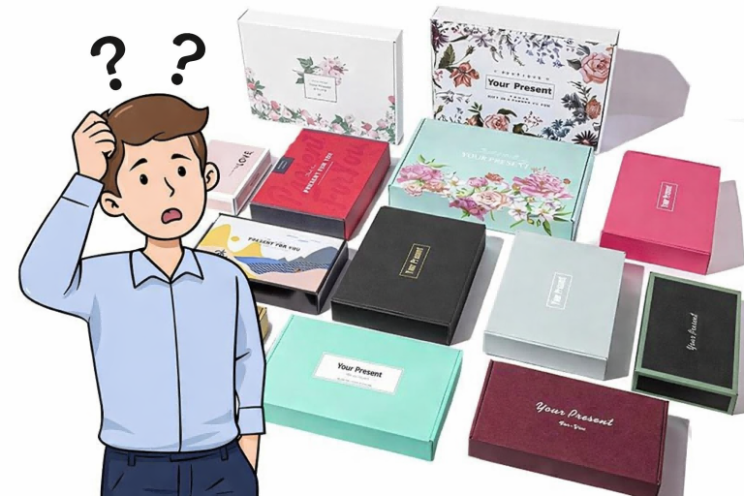
Are you still struggling to find the right packaging box design?
In today’s modern world, packaging is everywhere.
From the parcel delivered to your door, to the cosmetic box on your desk or the food packaging in your kitchen, packaging has become an essential part of daily life.
Are you wondering which box design is the most suitable for your product? When it comes to packaging, these 12 common box designs (with expansion diagrams) are absolutely indispensable.
Designers who need them, please do save them!
Below, we introduce some of the most common packaging box types and their typical applications.
1. Double Flap Box
A classic and most frequently used carton type. The box has flaps on both ends which insert into the body, forming a simple seal.
- Suitable for: Small and lightweight products (e.g., toothpaste, cosmetics, pharmaceuticals, tea).
- Advantages: Easy to manufacture, low printing cost.
- Limitations: Common design with low differentiation; limited load-bearing at the bottom.
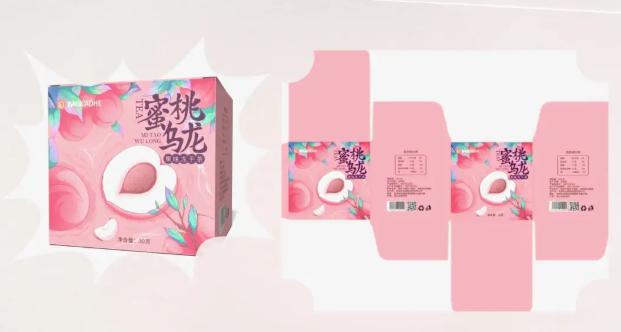
2. Lock Bottom Box
Similar in appearance to the double flap box, but with a locked bottom structure for greater strength.
- Suitable for: Electronics, food, agricultural products.
- Advantages: Stronger structure and wider applicability.
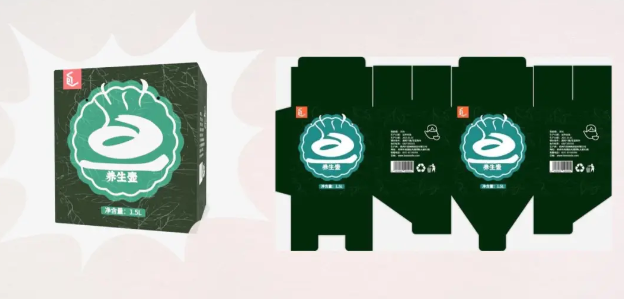
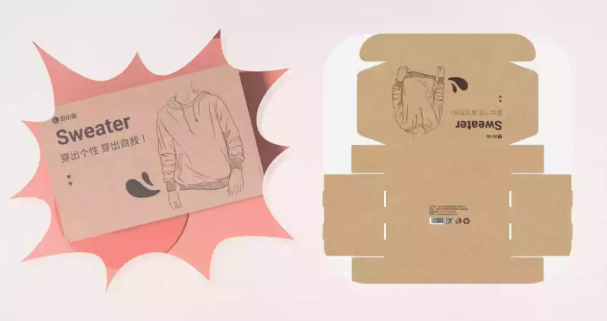
3. Crash Lock / “Airplane” Box
Named for its unfolded shape resembling an airplane. It locks into place automatically without gluing.
- Suitable for: Apparel, accessories, jewelry, small appliances.
- Advantages: Good compression resistance, widely used across industries.
- Limitations: Heavier and less suitable for complex multi-color graphics.
4. Lid and Base Box (Two-Piece Box)
Composed of a separate top lid and bottom base.
- Suitable for: Premium gift packaging, electronics boxes (e.g., phones, beauty devices).
- Advantages: Enhances unboxing experience and perceived value.
- Limitations: Uses more paper and increases cost.
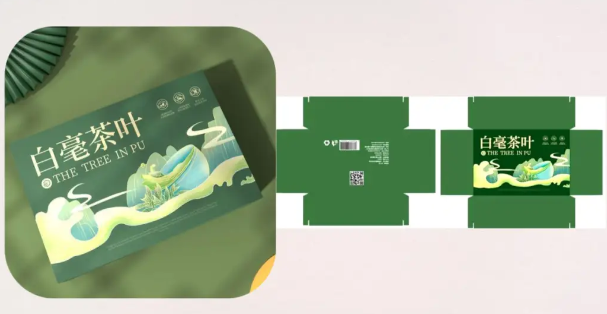
5. Book-Style Box
Opens like a book and often includes magnetic closures or ribbon ties.
- Suitable for: Luxury and mid-to-high-end products, cosmetics (e.g., Lancôme), jewelry.
- Advantages: Elegant and refined for premium branding.
- Limitations: Higher printing and manufacturing expenditures.
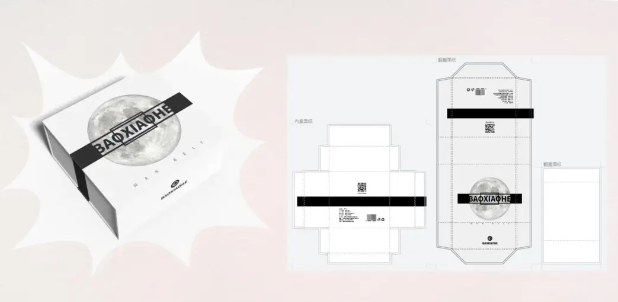
6. Drawer Box
Features an outer sleeve and inner drawer that slides out.
- Suitable for: Mooncake gift sets and high-value packaged goods.
- Advantages: Secure internal placement; strong structural integrity.
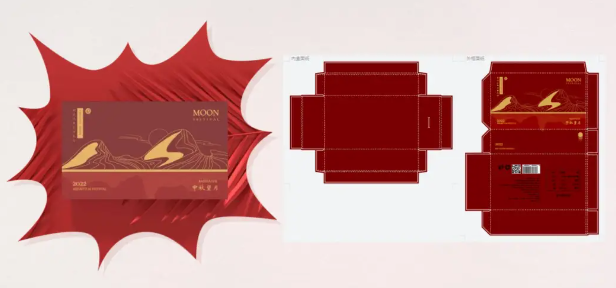
7. Handle Box
A lock-bottom box with a built-in handle for easy carrying.
- Suitable for: Gift sets, travel kits, premium takeaway packaging.
- Advantages: Convenient mobility.
- Limitations: Handle strength must be carefully designed for durability.
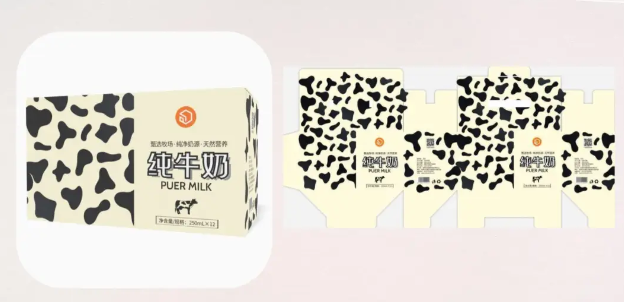
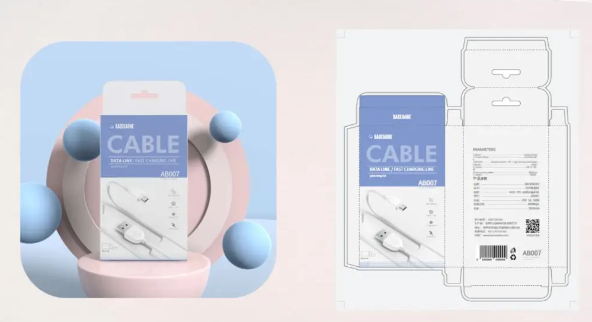
8. Hang Tab Box
Includes a hanging hole for retail display.
- Suitable for: Small fast-moving consumer items (e.g., batteries, toothbrushes, earphones).
- Advantages: Ideal for shelf visibility in physical stores.
- Limitations: Less suitable for larger or heavy products.
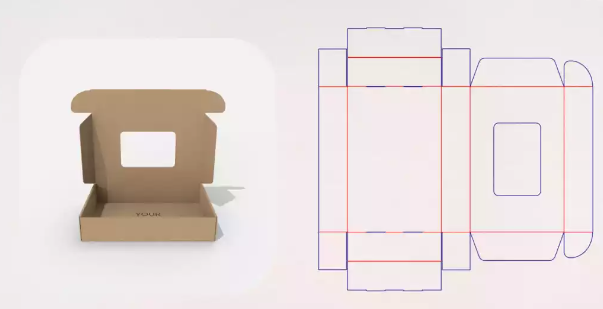
9. Window Box
Features a cut-out or transparent window panel to display the product inside.
- Suitable for: Toys, food, wine, cosmetics.
- Advantages: Let’s customers see the product, increasing purchase confidence.
- Limitations: Can be misused or focus attention only on one part of the product.
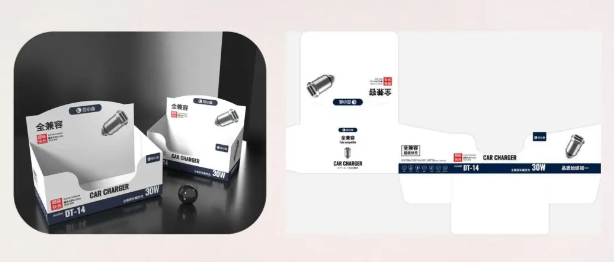
10. Display Box
Used primarily for in-store product presentation.
- Suitable for: Beauty products, collectibles, retail showcases.
- Advantages: Strong visual impact and helps products stand out.
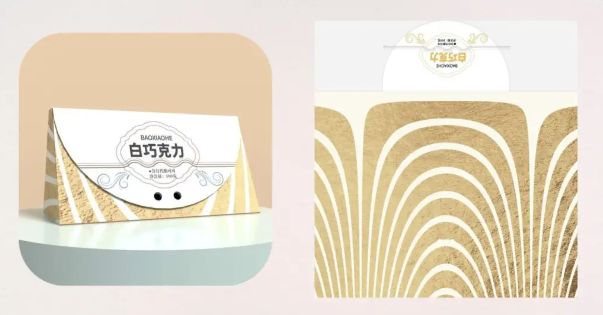
11. Custom Irregular Box
Non-standard shapes created for visual differentiation.
- Suitable for: Innovative brand packaging and premium launches.
- Advantages: Unique structure and eye-catching design.
- Limitations: More complex tooling and higher cost.
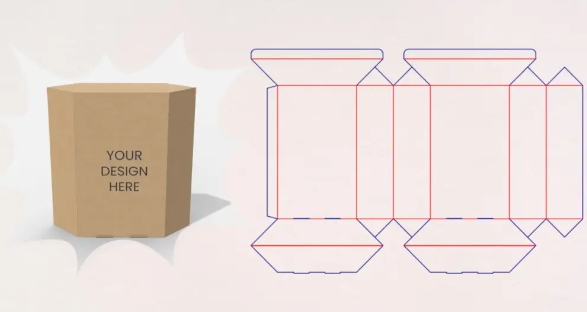
12. Polygon (Shape) Box
Examples include heart, pentagon, and hexagon shapes — often used in seasonal gift packaging (e.g., Valentine’s Day).
- Advantages: Creative form provides strong emotional and visual impact.
- Limitations: Complex die-cutting and higher printing cost.
Summary
These 12 box structures represent the core types used in today’s packaging design and manufacturing.
Choosing a suitable box not only protects products but also enhances brand perception, consumer experience, and shelf appeal.
From JIDA Company Packaging Share