Jun 26, 2026News & Insights
Packaging Knowledge |Do you know these common packaging printing practices?
Package Printing Process
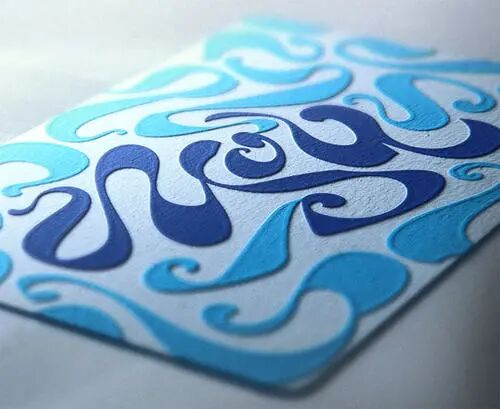
Package Printing
Printed works are the final realization of packaging design, which involves gathering and organizing design materials based on client requirements, creating preliminary drafts, revising and finalizing them according to client feedback, and ultimately applying modern printing techniques to produce the finished packaging design.
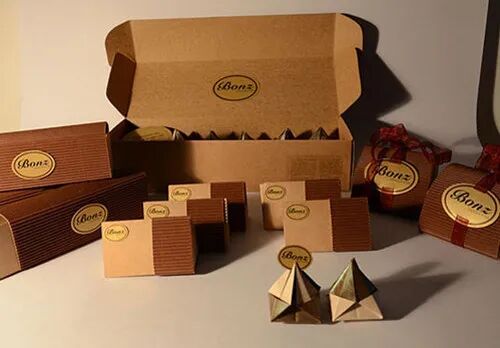
Exquisite works require more sophisticated printing techniques to achieve, and the choice of printing technology is crucial for the perfect presentation of packaging works. In order to improve the quality of works, it is necessary to strengthen the understanding of printing technology and enhance the practicality of graphic design during graphic design.
01 Pre-press Production:
In order to better present the design work, except exquisite design, it is more important to have accurate output as a guarantee. Understanding the design before printing is particularly important. Before printing design, the following points should be noted:
① Based on customer requirements, conceptualize a rough design outline and determine the paper size to define the "bleeding" position and size (black and white files do not need to leave bleeding).
② Check if the page is correct and process pre press text information.
③ The minimum and maximum branch settings are 3% and 97%, respectively.
④ For colors that are difficult to print (such as pure black, coffee, dark blue, purple, dark green, green), it is best to use monochrome black when printing with a large area of pure black as the base.
⑤ When printing reversed white text, if the background pattern has mixed colors, try to use fonts with clear lines.
⑥ The file color mode must be CMYK mode.
⑦ Output settings, including the output method of digital printing files, types of printing color separation, and printing image screening process.
⑧ Plate making and sampling.
02 Printing Process
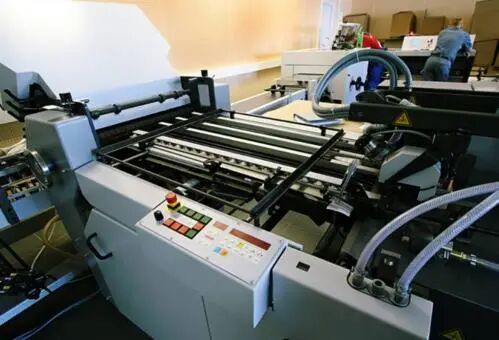
Common printing techniques include flatbed printing, relief printing, gravure printing, and screen printing.
Flatbed Printing
The printing method that uses the principle of lithography to print on a single sheet of paper is characterized by fast printing speed, good printing quality, and high automation of printing equipment. Widely used in various printed materials such as greeting cards, invitations, book covers, posters, magazines, packaging, etc.
Relief Printing
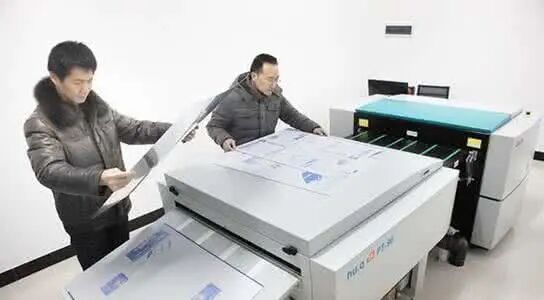
On the printing plate, the protruding graphic and textual parts accept thicker ink, while the concave blank parts do not accept ink. When the substrate is pressed tightly against the printing plate, the ink will be printed on the substrate. This printing method has the characteristics of thick ink layer, powerful strokes, clear contours, and bright colors for printed products. It is mainly used for printing book covers, trademarks, receipts, business cards, etc
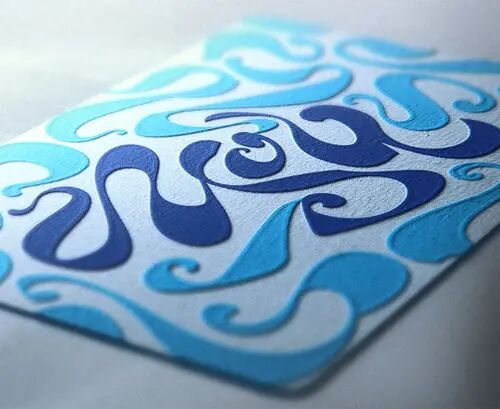
Gravure Printing
The printing method of gravure printing is exactly opposite to the principle of relief printing, that is, the text and image are lower than the layout, the concave area receives ink, and the image part is transferred onto the substrate, and the intensity of the image is related to the depth of the concave. The specificity of this printing method is that it has good and stable quality, and the printed products have a glossy finish. Mainly used for printing stamps, coins, silk, etc., the disadvantage is that the process is complex, so the cost is high.
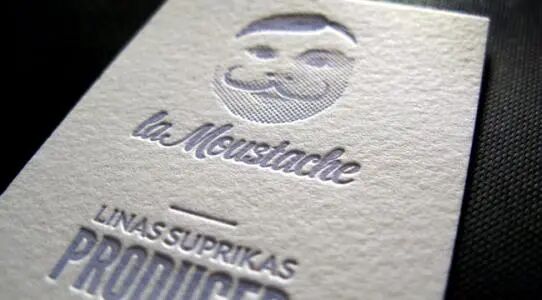
Screen Printing
It belongs to stencil printing, which uses photosensitive materials to make screen printing plates. On the screen printing plate, the image and text parts are hollowed out into small holes, while the non graphic parts of the screen holes are blocked. During printing, ink is transferred to the substrate through the fine pores in the graphic and textual parts, forming graphics and text.
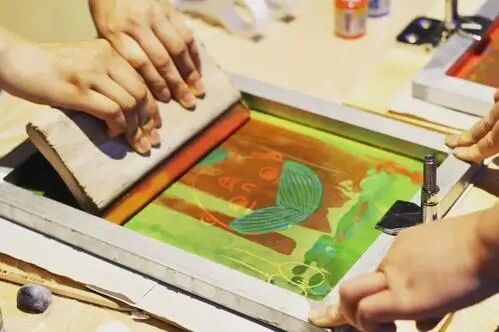
The characteristics of screen printing are simple printing equipment, easy printing operation, and relatively easy production of printing plates. In addition, screen printing can not only print on flat surfaces, but also on curved and uneven substrates. In addition, it can also print on hard and soft materials without being limited by the material of the substrate. It uses a scraper or ink roller to penetrate the ink onto the substrate and is commonly used for printing bags, plastic products, T-shirts, metal vessels, glass, etc.
03 Printing processing technology
The processing technology of printing graphic design refers to the reprocessing and production of printed products, mainly including surface finishing, molding, book binding, and other processes. Commonly used processes include:
Lamination:
It is divided into two types: sub film coating and bright film coating. Sub film coating is not as bright as bright film but is more upscale. Film coating can enhance the moisture resistance, sun protection, wear resistance, stain resistance, water resistance, heat resistance and other properties of printed products.
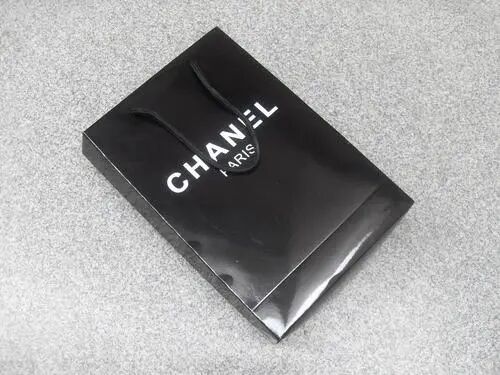
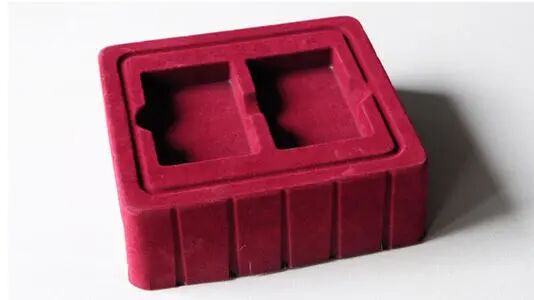
Flocking:
The method of vertically fixing short fibers (usually 0.03~0.5cm in length) onto a substrate coated with adhesive is called flocking.
UV
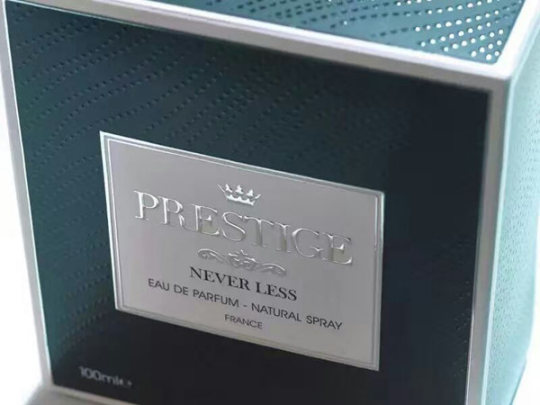
It is a printing process that uses ultraviolet light to dry and cure ink. It can increase the brightness and artistic effect of the product, protect the surface of the product, have high hardness, corrosion and friction resistance, and are not prone to scratches.
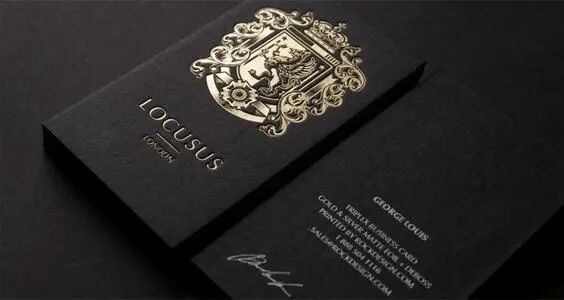
Hot Stamping:
Using the method of hot transfer printing, metal foil (gold, silver foil) is hot pressed onto the surface of printed materials to give them a metallic texture and effect.
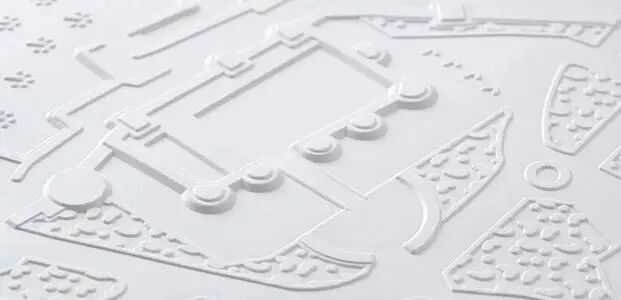
Concave convex embossing
Use pressure to press graphics or text onto the surface of printed materials to achieve special tactile and visual effects.
In addition, the processing techniques for printed materials also include gluing, embossing, polishing, mounting, binding, cutting, and other processing techniques. Through these processes, it helps to improve the printing effect and grade of printed materials.